Neurology

Neurological Diagnostics & Therapy

Neurology deals with diseases of the central and peripheral nervous system. I diagnose and treat a wide range of neurological conditions and also offer a well-founded second opinion in complex or ambiguous cases.

If further equipment-based examinations—such as X-rays or neurophysiological measurements—are necessary, I work closely with specialized colleagues to ensure the best possible diagnosis and therapy.

What symptoms do patients present with when seeking neurological treatment?

  • Unsteadiness and other gait disorders
  • Tremors
  • Involuntary movements
  • Consciousness disorders
  • Pain (e.g., headaches, neck or back pain)
  • Paralysis
  • Sensory disturbances
  • Visual disturbances
  • Speech disorders
  • Difficulties with arithmetic, reading, or writing
  • Bladder or bowel dysfunction
  • Erectile dysfunction
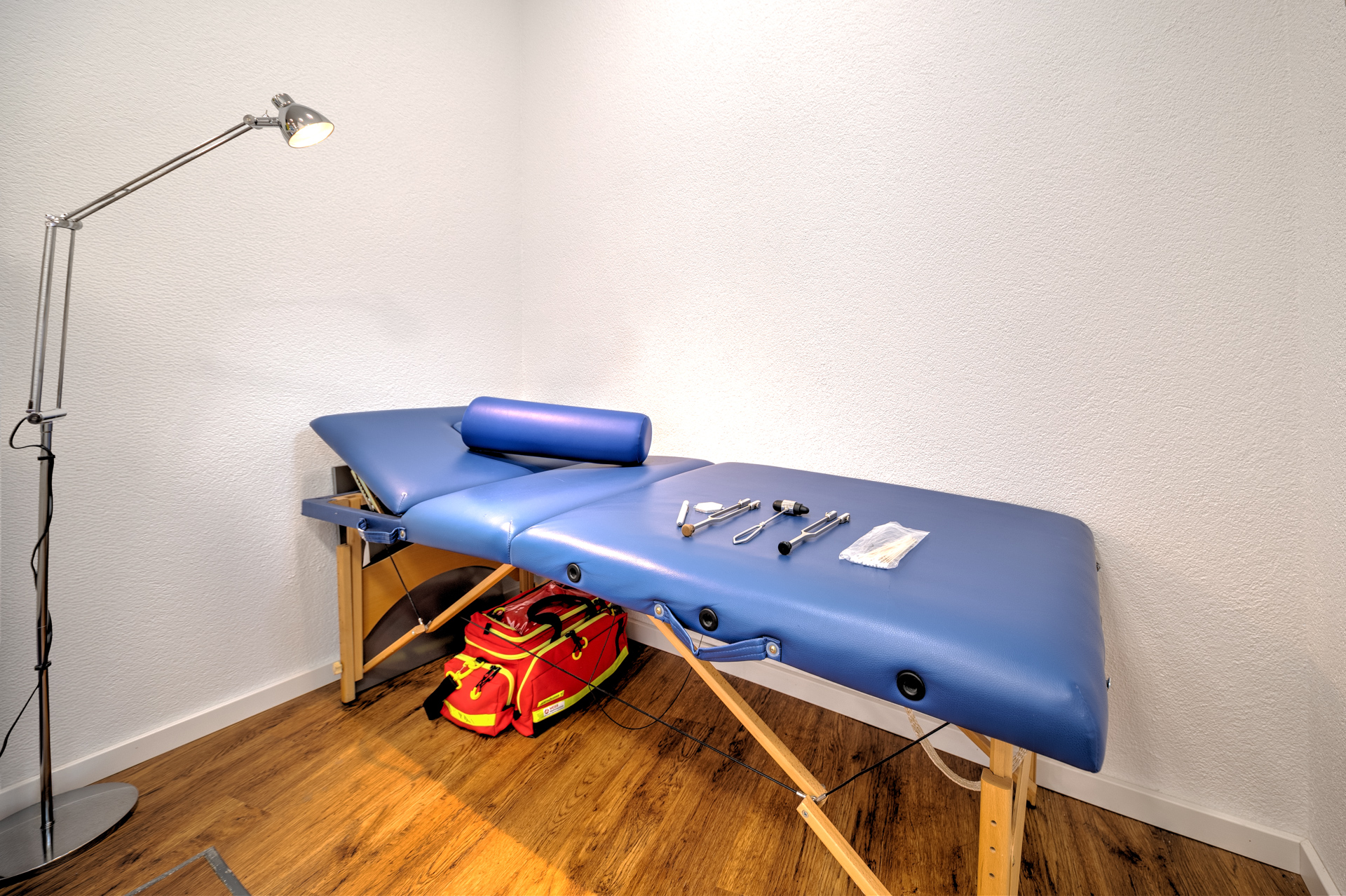
Untersuchungsliege in der Praxis

Which diseases are treated?

Strahlenförmiges Sonnenicon - © Ann_Sereda/stock.adobe.com

Parkinson's disease and other movement disorders

Slowed movement, a shuffling gait, muscle stiffness, tremors, and difficulties with trunk movements and fine motor skills are typical of Parkinson's disease. The cause lies in the destruction of specific nerve cell clusters in the brain (in the so-called substantia nigra). The resulting deficiency of the neurotransmitter dopamine can be compensated for with medication.

However, at least some of these symptoms can also occur in other diseases and require different treatments. It is therefore important to identify the cause of the movement disorders at an early stage and treat them specifically.

Strahlenförmiges Sonnenicon - © Ann_Sereda/stock.adobe.com

Memory disorders and dementia

Where did I put my wallet? What did I want to buy?

Is this the onset of dementia?

Once you start worrying that you might be in the early stages of dementia, even “normal” memory lapses become a cause for concern. Targeted questions and, if necessary, standardized memory tests and further examinations can clarify whether there is actually a pathological disorder and whether it can be treated.

Strahlenförmiges Sonnenicon - © Ann_Sereda/stock.adobe.com

Epileptic seizures

Sudden loss of consciousness, with or without muscle spasms, or intermittent sensory or speech disorders can be symptoms of an epileptic seizure. This involves massive discharges of nerve cells in the brain.

However, other disorders such as irregular heartbeat can also lead to loss of consciousness.

If epileptic seizures occur frequently, they must be treated with medication.

Strahlenförmiges Sonnenicon - © Ann_Sereda/stock.adobe.com

Pain syndromes

Pain is a warning signal from the body. Almost every part of the body is sensitive to pain. Pain can arise in the muscles, tendons, and joints, as well as from changes or irritation of the nerves. Clarifying the cause can facilitate treatment.

Chronic pain in particular greatly impairs quality of life. In this case, it is important to provide relief by identifying the cause and treating it.

Strahlenförmiges Sonnenicon - © Ann_Sereda/stock.adobe.com

Inflammatory diseases such as Multiple Sclerosis

The nervous system can also be affected by acute and chronic inflammation such as Multiple Sclerosis. MS causes recurrent inflammation in various parts of the nervous system. This usually leads to variable symptoms that occur in episodes, such as symptoms of paralysis, numbness, or visual disturbances. In recent decades, a whole range of treatment options have been developed for MS that can be used in a targeted manner depending on the course of the disease.

Strahlenförmiges Sonnenicon - © Ann_Sereda/stock.adobe.com

Strokes

Sudden and brief episodes of paralysis or sensory disturbances on one side of the body, as well as short-term visual disturbances or speech disorders, can be precursors to a stroke. A stroke is a cerebrovascular disorder. It is particularly important to prevent the more severe cerebrovascular disorders that can result in permanent disability. To this end, risk factors such as high blood pressure or smoking should be treated. An evaluation of your personal stroke risk can be carried out during my consultations.

Strahlenförmiges Sonnenicon - © Ann_Sereda/stock.adobe.com

Brain injuries

These include concussions as well as more severe injuries. As a result, disorders of movement, perception, or even thinking can occur.

Strahlenförmiges Sonnenicon - © Ann_Sereda/stock.adobe.com

Restless legs syndrome

Restless legs syndrome causes unpleasant sensations in the legs, especially at rest and in the evening. This is often accompanied by an urge to move. It is a movement disorder that can be alleviated with special medication.

Strahlenförmiges Sonnenicon - © Ann_Sereda/stock.adobe.com

Diseases of the peripheral nervous system

The peripheral nervous system comprises the nerve roots and the peripheral nerves, i.e., the part of the nervous system located outside the brain and spinal cord. Diseases can occur as a result of chronic irritation of a nerve, such as in carpal tunnel syndrome. However, damage can also occur as a result of metabolic disorders such as diabetes mellitus and hereditary diseases. There are many treatment options, which naturally depend on the cause of the nerve damage.

Strahlenförmiges Sonnenicon - © Ann_Sereda/stock.adobe.com

Migraine and other headaches

Headaches are a common health problem. In most cases, they are not caused by a serious illness. Nevertheless, any new headaches should be investigated by a neurologist. Headaches can also impair quality of life and, if they occur on a regular basis, require specific treatment.

Migraine is a special type of headache, usually with unilateral pain that occurs in attacks. These are often accompanied by nausea, visual disturbances, and sensitivity to light or noise. Various specific and effective treatments are now available for this condition as well.

Copyright 2026. Prof. Dr. med. Barbara Wild
Settings saved
Privacy Settings

This website uses technically necessary cookies to ensure basic functionality and the security of the website. These cookies cannot be disabled.

As part of the statutory accountability obligations, user consent (opt-in) is logged and archived. The following data are stored in this file:

  • - IP address of the visitor
  • - Privacy setting selected by the visitor (privacy level)
  • - Date and time of storage
  • - Domain
Technically required cookies are always loaded.

Technically Necessary Cookies

PHPSESSID
This cookie is used by PHP to store a unique session identifier. It enables the server to clearly associate user requests during a session and to provide basic website functionality.

  • Purpose: Management of the user session
  • Provider: Own website
  • Storage duration: Session (deleted when the browser is closed)
  • Legal basis: Art. 6(1)(f) GDPR (legitimate interest – technically necessary function)


csrf_https-contao_csrf_token
This cookie is set by the Contao content management system and is used to protect the website against so-called Cross-Site Request Forgery (CSRF) attacks. It ensures that form submissions originate from the respective website and protects against unauthorized access.

  • Purpose: Security function / protection against CSRF attacks
  • Provider: Own website (Contao CMS)
  • Storage duration: Session
  • Legal basis: Art. 6(1)(f) GDPR (legitimate interest – website security)
You are using an outdated browser. The website may not be displayed correctly.